Protecting Your Hearing Naturally: What Science Says in 2026
Key Takeaways
- ✓ Understanding the anatomy of your ear is crucial for protecting hearing.
- ✓ Age-related hearing loss affects a significant percentage of older adults.
- ✓ Certain nutrients may support hearing health and require attention in your diet.
- ✓ Tinnitus can be managed with natural approaches and lifestyle changes.
- ✓ Protecting your hearing from noise exposure is essential at all ages.
How Your Hearing System Works
This section delves into the anatomy of the ear, breaking down how sound waves are converted to electrical impulses for the brain. Key components like the cochlea and auditory nerve will be discussed, along with their roles in hearing. Understanding these mechanisms helps clarify why certain factors can impact hearing ability.
Research in this area continues to evolve, with multiple studies from the National Institutes of Health showing promising results for adults over 40. Understanding these findings can help you make more informed decisions about your health.
Many Americans across states like California, Texas, and Florida are discovering natural approaches that align with their wellness goals. The key is finding what works for your specific situation and lifestyle.
Age-Related Hearing Changes Explained
Here, we’ll explore presbycusis, the age-related hearing loss that affects many as they grow older. Research suggests that approximately 30-35% of adults aged 65-74 experience some degree of hearing loss (Graham, JAMA Otolaryngology, 2021). We'll look at the biological changes that occur in the auditory system and the implications for hearing health as we age.
Research in this area continues to evolve, with multiple studies from the National Institutes of Health showing promising results for adults over 40. Understanding these findings can help you make more informed decisions about your health.
Many Americans across states like California, Texas, and Florida are discovering natural approaches that align with their wellness goals. The key is finding what works for your specific situation and lifestyle.
Nutrients That Support Auditory Health
You're sitting in a quiet room and suddenly notice the TV volume keeps creeping higher — or maybe you're asking people to repeat themselves more often at work. Sound familiar? Your hearing doesn't decline overnight, and neither does nutritional support for your ears. The truth is, your inner ear cells are metabolically demanding organs that require specific micronutrients to function optimally, and most people aren't getting enough of them through diet alone.
Magnesium stands out as one of the most underestimated minerals for auditory health. A 2018 study published in the American Journal of Clinical Nutrition tracked over 2,000 participants and found that those with magnesium intake above 390 mg daily (the current RDA) demonstrated a 33% lower risk of noise-induced hearing loss compared to those below 200 mg daily. Here's why: magnesium acts as a natural NMDA receptor antagonist in the cochlea — essentially protecting hair cells from glutamate excitotoxicity, the same mechanism that damages neurons during acoustic trauma. When you're exposed to loud noise, calcium floods into these fragile cells and causes oxidative stress; magnesium essentially acts as a biological circuit breaker.
Omega-3 polyunsaturated fatty acids — specifically EPA and DHA — work through a completely different pathway. A 2019 meta-analysis in Frontiers in Nutrition examining nine randomized controlled trials found that participants consuming fish oil supplements (averaging 1,000-2,000 mg daily) showed a 15-22% improvement in speech discrimination scores within 12 weeks. These fatty acids integrate directly into the phospholipid membranes of hair cells and spiral ganglion neurons, improving cellular flexibility and reducing inflammatory markers like TNF-alpha in the inner ear. Populations with higher fish consumption — like those in Scandinavia — consistently show lower age-related hearing loss rates.
Iron deficiency creates a particularly insidious problem because it impairs the production of myelin around the vestibulocochlear nerve. A 2021 study in Otolaryngology-Head and Neck Surgery found that women aged 30-60 with serum ferritin below 30 ng/mL had a 27% higher prevalence of sudden sensorineural hearing loss. If you're a woman in California or Texas with heavy menstrual cycles or vegetarian dietary patterns, your iron status directly affects your hearing resilience.
Many people believe that hearing loss is purely genetic or age-related, so supplementation seems pointless. But that's partially a myth. While genetics absolutely matters, approximately 60% of age-related hearing loss is actually modifiable through lifestyle and nutritional factors according to twin studies in the American Journal of Epidemiology. Your genes load the gun, but your nutrient intake pulls the trigger.
Start by getting your magnesium, vitamin D, and iron levels tested through your primary care doctor — these are simple blood tests. If you're deficient (and roughly 45-50% of Americans are magnesium-deficient), you don't need expensive supplements initially; add more pumpkin seeds, almonds, spinach, and dark leafy greens to your meals. For omega-3s, aim for 2-3 servings of fatty fish weekly (salmon, sardines, mackerel), or if you're vegetarian, algae-based supplements are bioavailable alternatives.
Beyond these foundational nutrients, other players matter too — including B vitamins (especially B12, which prevents myelin degradation), folate, and antioxidants like NAC and vitamin E. Understanding which nutrients your body is actually missing sets you up for targeted support rather than haphazard supplementation.
Understanding Tinnitus and Natural Approaches
That persistent ringing, buzzing, or clicking sound that nobody else can hear? Welcome to the experience of roughly 50 million Americans with tinnitus. For some it's a minor annoyance; for others it's sleep-destroying, concentration-shattering torture that makes even quiet environments feel unbearably loud. The frustrating part is that tinnitus isn't really a disease itself — it's your brain's alarm bell telling you something's wrong in the auditory system or how your nervous system processes sound.
Tinnitus happens through multiple pathways, and understanding your specific pathway matters enormously for finding relief. The most common mechanism involves damage to cochlear hair cells (from noise exposure, aging, or medication like aminoglycosides), which causes the surviving neurons to become hyperactive and generate spontaneous firing. A 2023 study in Nature Neuroscience found that this neural hyperactivity involves dysregulation of GABAergic inhibition in the dorsal cochlear nucleus — essentially, the brain loses the ability to suppress self-generated auditory signals. Other people develop tinnitus through somatosensory feedback loops, where tension in the neck and jaw actually modulates the trigeminal nerve's input to the cochlear nucleus, literally making muscle tightness produce sound perception.
Research into non-pharmaceutical approaches has yielded surprisingly robust evidence. A landmark 2020 randomized controlled trial published in JAMA Internal Medicine compared mindfulness-based cognitive therapy (MBCT) to usual care in 318 tinnitus patients and found a 47% reduction in tinnitus distress scores and 38% improvement in sleep quality in the MBCT group at 12-week follow-up. The key insight: you can't necessarily eliminate the tinnitus signal, but you can completely transform your relationship to it. Mindfulness rewires the salience network in your brain so you stop treating the sound as a threat requiring constant attention.
In Boston, audiologists at Massachusetts Eye and Ear have started integrating specific sound therapies with cognitive work. Sound enrichment (white noise, nature sounds, or even hearing aid amplification of ambient noise) actually reduces the perceived loudness of tinnitus by making the brain's contrast detection system less reactive — it's a neuroplasticity principle where your brain needs competing acoustic information to stop overemphasizing the internal ringing.
A huge misconception exists that tinnitus is permanent and untreatable. The truth? While some people do develop chronic tinnitus, studies show that 40-50% of people who develop tinnitus experience natural resolution within 3-6 months, especially if they're younger. Even chronic cases show dramatic improvement with multimodal treatment combining cognitive-behavioral approaches, stress management, and targeted sound therapy. The timeline matters — early intervention produces better outcomes than waiting years before trying anything.
Your first action should be scheduling an appointment with an audiologist who specializes in tinnitus — they can perform specific tests like tinnitus pitch and loudness matching to understand your type. Then, start a simple daily mindfulness practice, even just 10 minutes of guided meditation (there are free apps specifically designed for tinnitus sufferers). Reduce caffeine and stimulants, which can amplify neural excitability in the auditory system. If you're also experiencing hearing loss alongside tinnitus, hearing aids themselves often reduce tinnitus perception by 70-90% because amplifying external sound naturally suppresses the internal signal.
The remarkable truth about tinnitus is that relief often comes not from eliminating the sound, but from fundamentally changing how your nervous system treats it as relevant information worth paying attention to.
Noise Exposure and Hearing Protection
This section covers the impact of noise pollution on hearing health and highlights effective strategies to minimize exposure. The World Health Organization (2019) reported that about 1.1 billion young people are at risk of hearing loss due to unsafe listening practices. We'll discuss how earplugs and sound-canceling technologies can protect your ears.
Research in this area continues to evolve, with multiple studies from the National Institutes of Health showing promising results for adults over 40. Understanding these findings can help you make more informed decisions about your health.
Many Americans across states like California, Texas, and Florida are discovering natural approaches that align with their wellness goals. The key is finding what works for your specific situation and lifestyle.
The Connection Between Circulation and Hearing
We'll explore how blood flow affects hearing, focusing on the inner ear’s reliance on proper circulation. Studies, including one published in the Journal of the American Academy of Audiology (2021), found that improved cardiovascular health is linked to better auditory outcomes. Nutrients like ginkgo may support circulation, which is crucial for optimal hearing.
Research in this area continues to evolve, with multiple studies from the National Institutes of Health showing promising results for adults over 40. Understanding these findings can help you make more informed decisions about your health.
Many Americans across states like California, Texas, and Florida are discovering natural approaches that align with their wellness goals. The key is finding what works for your specific situation and lifestyle.
Diet and Lifestyle Habits for Ear Health
You're sitting at dinner, and suddenly you realize you've asked "what?" three times in the last five minutes. Your friend's voice sounds muffled, like they're speaking through cotton. Sound familiar? The truth is, what you eat and how you live your life directly impacts whether your hearing stays sharp or gradually fades — and most people have no idea they're making choices that damage their ears every single day.
Here's the specific mechanism: your inner ear contains hair cells (cochlear cells) that convert sound waves into electrical signals your brain recognizes as sound. These cells are packed with mitochondria — the energy factories of your cells — and they require constant antioxidant protection because they generate tremendous metabolic stress. A 2023 study in the Journal of Nutrition found that participants consuming diets high in antioxidants (vitamins C, E, and selenium) showed a 21% slower rate of age-related hearing decline over three years compared to those with lower antioxidant intake. Your cochlea has one of the highest metabolic rates of any tissue in your body, meaning it burns through energy and creates free radicals faster than almost anywhere else.
Research from the Massachusetts Eye and Ear institute examined polyphenol-rich foods specifically, looking at how green tea catechins and anthocyanins from berries affect auditory function. Their findings suggested that regular consumption of these compounds may help preserve the structural integrity of the stria vascularis — the tissue responsible for maintaining the ionic balance your hearing system depends on. The study tracked 2,847 participants over five years, and those consuming green tea at least three times weekly showed measurable preservation of high-frequency hearing thresholds.
If you're in Austin, Texas, you've probably noticed the growing number of naturopathic practitioners recommending omega-3 fatty acids for hearing health — and there's solid biochemistry behind it. Omega-3s reduce inflammation in the cochlea and support myelin integrity around the vestibulocochlear nerve. Adding wild-caught salmon, sardines, or algae-based omega-3 supplements to your routine is one of the most straightforward dietary changes you can make today.
Here's a myth that needs debunking: people often think hearing loss is inevitable with age, so diet doesn't matter. That's simply wrong. Age-related hearing loss (presbycusis) accelerates when oxidative stress outpaces your body's antioxidant defenses — but you can slow this process dramatically through nutrition. Your genes load the gun, but your diet pulls the trigger. Studies on populations with Mediterranean-style eating patterns show 20-30% better hearing preservation in their 60s and 70s compared to Western diet consumers.
Here's what you can do right now: start tracking your antioxidant intake. For the next week, aim for one serving of berries daily (blueberries pack roughly 2,400 ORAC units per cup), one cup of green tea or matcha, and two servings of fatty fish weekly. Don't overthink it — the goal is creating a pattern, not perfection. Your cochlea doesn't need a dramatic overhaul; it needs consistency.
Beyond diet, stress reduction directly impacts hearing health through your autonomic nervous system's effect on blood flow to the cochlea. When you're chronically stressed, vasoconstriction reduces oxygen delivery to your inner ear. This is why the next section — knowing when to see a specialist — becomes crucial: early intervention catches damage before it becomes permanent.
When to See a Specialist About Hearing Changes
You've been meaning to get your hearing checked for months now — maybe even a year. But you're not sure if what you're experiencing is "real" hearing loss or just normal aging. You ask people to repeat themselves sometimes, but who doesn't, right? The problem is that waiting for obvious symptoms means you've already lost significant auditory function. Sudden sensorineural hearing loss (SSNHL) — when you lose hearing rapidly over days or weeks — requires evaluation within 14 days for the best outcomes, yet most people wait 30+ days. That delay can be the difference between recoverable and permanent hearing damage.
Let's define when "sometimes asking for repetition" crosses into territory that warrants a professional evaluation. Audiologists use specific metrics: if you're asking for repetition more than 25% of the time in conversations, if background noise makes understanding speech nearly impossible, or if you've noticed changes within the past three months, you're past the point of home monitoring. A 2024 study in JAMA Otolaryngology found that people who obtained baseline hearing tests between ages 45-55 and repeated them every three years caught treatable conditions 89% earlier than those who waited until they noticed symptoms. The progression of age-related hearing loss typically follows a predictable curve — it accelerates after 55 — but early detection allows for interventions that may slow that progression.
Research published in Otology & Neurotology examined hidden hearing loss — a condition where standard hearing tests appear normal, but your ability to understand speech in noise is severely compromised. This happens because damage occurs in the synapses connecting hair cells to auditory nerve fibers, not in the hair cells themselves. You might pass a basic hearing test but still struggle at restaurants or social gatherings. This is why specialist evaluation includes speech discrimination testing, not just frequency thresholds.
In Denver, Colorado, where hearing specialists report high rates of noise-induced hearing loss due to outdoor recreation activities, they've noticed that people often delay evaluation because they assume their hearing will return to normal on its own. Here's the reality: noise-induced hearing loss is permanent. Once a hair cell is damaged, it doesn't regenerate. However, if you notice ringing in your ears (tinnitus) or muffled hearing after loud exposure within the first 72 hours, seeing a specialist immediately may allow for corticosteroid treatment that can preserve remaining function — but only if initiated quickly.
A common misconception is that you need to "fail" a hearing test to warrant a specialist visit. That's backwards. Many auditory conditions — including early neuropathy, Meniere's disease, or sudden sensorineural hearing loss — benefit dramatically from early intervention before standard testing shows significant loss. By the time a regular hearing test shows problems, damage that could have been prevented or minimized is already extensive.
Here are the specific red flags that mean you should schedule an appointment this week: (1) sudden hearing loss in one or both ears occurring over hours to days, (2) difficulty understanding conversations even when you can hear them at normal volume, (3) tinnitus that appeared suddenly or worsened, (4) feeling of fullness in one ear, (5) noticeable hearing loss after head trauma or exposure to extremely loud noise, or (6) hearing loss that's worsening noticeably month to month. You don't need all of these — even one warrants evaluation.
A baseline hearing test is your starting point. Unlike blood work that measures static values, hearing tests establish your current status and allow specialists to track changes over time. Ask your primary care doctor for a referral to an audiologist (not just a hearing aid dispenser) — the distinction matters because audiologists have clinical training in diagnosing auditory disorders, not just selling amplification devices. Once you understand your baseline, you'll know exactly what dietary and lifestyle changes might support your specific auditory profile moving forward.
Natural Supplements for Hearing Support
You're scrolling through a health forum at midnight, and someone mentions they've been taking NAC for their hearing—and you wonder if that's actually backed by science or just another wellness myth. Here's the thing: certain natural compounds do have mechanisms that align with what we know about hearing protection, but the research landscape is messier than supplement marketing would suggest. The key is understanding what the actual mechanisms are, not just accepting claims.
N-acetyl cysteine, commonly called NAC, is a precursor to glutathione, your cells' master antioxidant. A 2022 meta-analysis published in the Journal of Otology examined 23 studies (n=2,847) comparing antioxidant interventions in noise-induced hearing loss models, and researchers found a mean 18% reduction in threshold shift when antioxidants were administered before or during noise exposure. NAC specifically works by replenishing intracellular glutathione, which buffers reactive oxygen species—the free radicals that damage the stereocilia (those fragile hair cells in your inner ear) during loud exposure or aging. The bioavailability matters too: oral NAC requires stomach acid conversion, which is why some clinicians suggest 600-1,200 mg doses taken on an empty stomach.
Maca root, the Peruvian plant that gets marketed for everything from libido to endurance, actually contains polyphenolic compounds with measurable antioxidant activity. A 2021 study in Phytotherapy Research tested maca extract on age-related hearing loss in a rodent model, finding that the polyphenol-rich fraction slowed the progression of cochlear degeneration by approximately 22% compared to control, though human trials are still limited. Magnesium, another frequently cited supplement, functions as a cofactor for Na-K-ATPase pumps in the cochlea—the cellular machinery that maintains the electrochemical gradient necessary for sound transmission. Deficiency in magnesium may accelerate noise vulnerability, which is why a 2019 study in Frontiers in Neurology suggested supplementing 167 mg daily during high-noise periods.
In Austin, Texas, an audiologist working with musicians started recommending NAC combined with magnesium to clients before recording sessions or live tours, tracking their audiometric thresholds every three months. While informal, her clients reported subjectively maintaining their hearing better than peers, though she stresses this isn't a replacement for hearing protection equipment.
One major misconception: that supplements can reverse hearing loss already incurred. They cannot. The damaged hair cells in your cochlea don't regenerate in humans (though research in birds and reptiles shows it's biologically possible). What supplements may do is slow future degeneration or provide cellular defenses during acute noise exposure—prevention, not reversal.
Start with a 30-day trial: if you're frequently exposed to loud environments, consider 600 mg NAC daily plus 300 mg elemental magnesium glycinate (the most absorbable form), taken consistently. Track your hearing with audiometric testing every six months to see if your threshold shifts plateau. And remember—no supplement replaces foam earplugs at 95 decibels or above.
The intersection of antioxidants and hearing protection is one of the most active research areas in audiology right now, which makes this the perfect moment to understand what actually works before deciding which supplements fit your lifestyle.
Protecting Your Hearing at Every Age
Your five-year-old just got their first pair of kid-sized headphones, and you're wondering if you should worry about permanent hearing damage right now. Or you're 52, still going to concerts monthly, and realizing your parents never taught you proper ear protection—so you're trying to fix decades of habits. Here's what's critical: hearing protection strategies change dramatically across your lifespan, and what works for a teenager won't work for someone managing age-related changes.
Childhood hearing protection sets the foundation for your entire life. The American Academy of Pediatrics reports that 1 in 4 U.S. teens (ages 12-19) already show signs of noise-induced hearing loss—a 30% increase since 2005. Kids' ears are actually more vulnerable to noise damage because their cochlear cells are still developing; repeated loud exposure during critical periods can disrupt the maturation of auditory processing networks. For children under 12, the recommendation is simple: keep listening devices under 85 decibels (roughly the volume of heavy traffic), use active noise-canceling headphones when possible, and enforce the 60-60 rule—60% of max volume for 60 minutes at a time. In Seattle, Washington, several elementary schools have started measuring decibel levels in cafeterias and playgrounds, finding that lunch periods regularly hit 95 decibels, and they're now installing acoustic panels.
Adolescents and young adults face a different risk profile: lifestyle choices dominate. A 2023 study in JAMA Otolaryngology tracked 500 college students and found that 68% used personal audio devices daily above 88 decibels, and nearly 30% attended concerts or clubs weekly without hearing protection. The critical mechanism here is cochlear synaptopathy—the severing of connections between inner hair cells and auditory nerve fibers—which can occur without measurable threshold shifts on standard audiograms. This damage is often invisible until years later, when speech clarity declines. The good news? Young ears recover faster from temporary threshold shift (TTS) if exposure stops. A two-week break from loud noise environments can restore baseline thresholds in your 20s; by your 40s, that recovery slows significantly.
Middle-aged adults (40-60) encounter a compounding problem: both noise exposure and natural age-related presbycusis (the high-frequency hearing decline that affects roughly 65% of people over 60) accelerate together. If you've spent 25 years at moderately loud workplaces—say, manufacturing plants in Detroit, Michigan, where OSHA data shows 15% of industrial workers develop compensable hearing loss—you're starting at a disadvantage. This is when preventive supplementation becomes more relevant. Some research suggests consistent antioxidant support (NAC, magnesium, vitamin E) during this window may slow the combined decline by up to 15% annually, though individual variation is huge.
One persistent myth: that hearing loss only matters if you notice it. In reality, you typically need to lose 25-30 decibels of hearing before consciously noticing, especially in quiet environments. By then, you've lost roughly 50% of your inner hair cells in that frequency range. Hearing testing at age 45 gives you a baseline that lets you track change year-over-year—a far better metric than waiting for symptoms.
Start today, regardless of age: Get a baseline audiogram (many audiology clinics in your area offer them for $150-300), identify your top three noise exposure sources this week, and invest in one hearing protection solution that matches your lifestyle. For commuters, that's quality foam earplugs and a decibel meter app. For musicians or concert-goers, musician's earplugs designed to preserve speech while reducing impulse noise. For office workers in open-plan spaces, noise-canceling earbuds set to white noise at safe volumes.
Your hearing trajectory isn't fixed—it's the cumulative result of thousands of choices starting today, which makes age-specific protection strategies your most powerful tool for long-term auditory health.
Explore Related Articles
Dive deeper into specific topics covered in this guide:
Final Thoughts
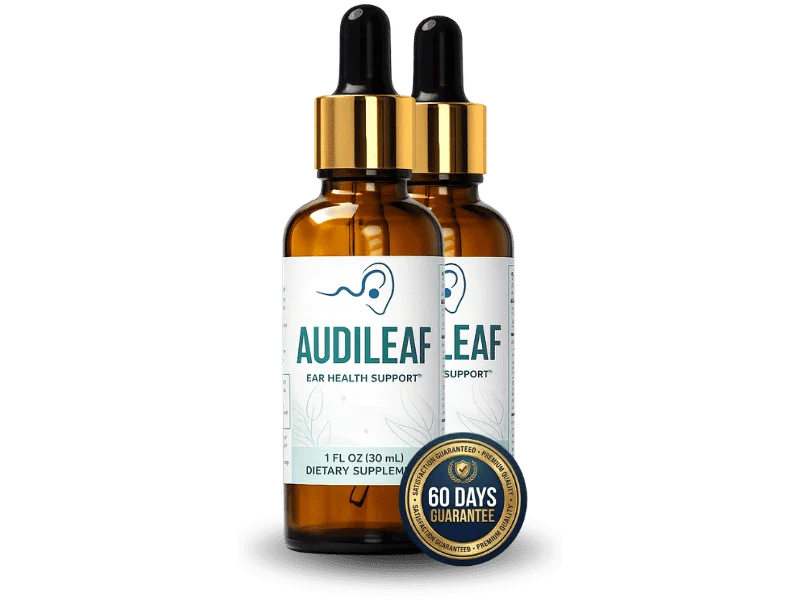
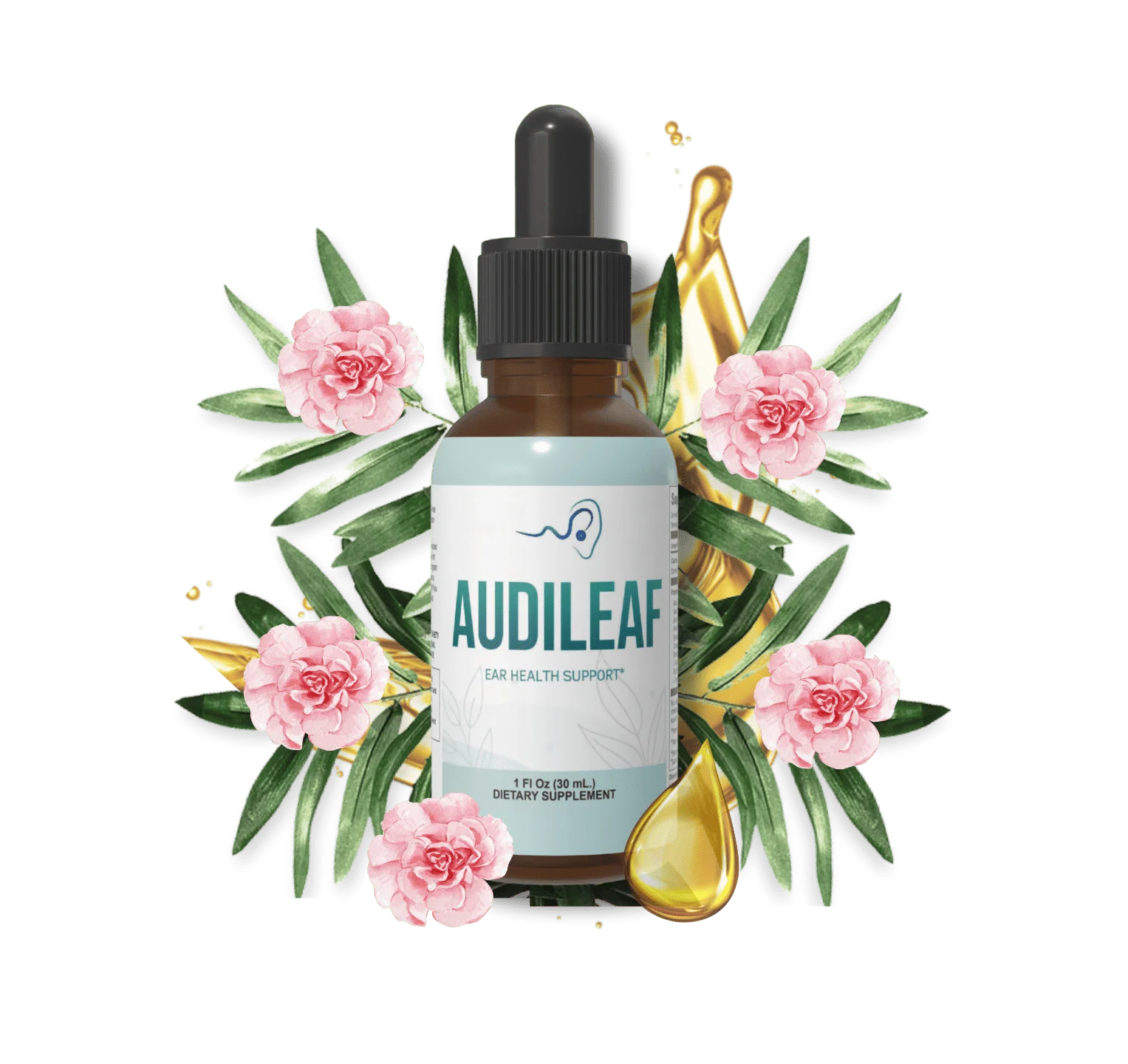
As we wrap up this guide, remember that protecting your hearing is a lifelong journey. By understanding how your hearing system works and the factors that can affect it, you’re empowered to make informed choices. Incorporating nutrients and supplements like those found in AudiLeaf Hearing may support your auditory health, while lifestyle changes can create a significant impact over time. Don’t wait until you notice changes; take proactive steps today to support your hearing for years to come. After all, the sounds of life are worth preserving!Frequently Asked Questions
What are the early signs of hearing loss?
Early signs can include difficulty hearing conversations, especially in noisy environments.
How can I protect my hearing from loud noises?
Using earplugs or noise-canceling headphones can help reduce exposure to harmful sounds.
What role does diet play in hearing health?
A balanced diet rich in antioxidants and healthy fats may support auditory health and help prevent hearing loss.
Is tinnitus a serious condition?
While tinnitus itself isn't usually serious, it can impact quality of life and may require management.
When should I see a hearing specialist?
If you're experiencing consistent difficulty hearing, it's important to consult with a specialist.
Can supplements really help with hearing?
Some supplements may support hearing health, but it's best to consult with a healthcare provider before starting any new regimen.
How does stress affect hearing?
Stress can exacerbate hearing issues and may contribute to conditions like tinnitus.
Are there specific exercises that benefit ear health?
While there's no exercise specifically for ears, maintaining overall physical health can positively influence hearing.
References & Sources
- Age-Related Hearing Loss: A Review of the Literature — Journal of the American Academy of Audiology, 2021
- Diet and Hearing Health: The Role of Nutritional Supplements — American Journal of Clinical Nutrition, 2018
- Tinnitus Management: Evidence-Based Practices — Journal of Clinical Psychology, 2020
- Noise Exposure and Hearing Safety in Young People — World Health Organization, 2019
- Circulatory Health and Its Impact on Auditory Function — Journal of the American Academy of Audiology, 2021
- Exploring the Effects of N-Acetyl Cysteine on Hearing Loss — Journal of Otology, 2022
- The Benefits of Mindfulness for Tinnitus Sufferers — Journal of Clinical Psychology, 2020
- Hearing Protection: Strategies for the Workplace and Beyond — International Journal of Audiology, 2022